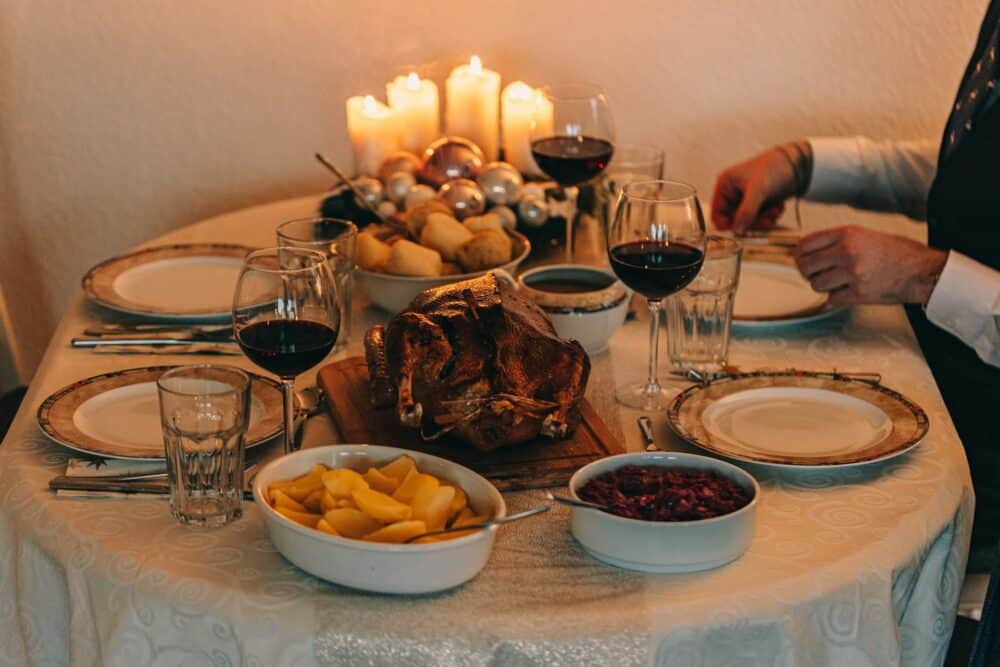
After the Christmas feast, you may find yourself facing a real challenge in the kitchen – the leftover food and the waste that accumulates. A DECO PROteste helps you make choices that can make all the difference.
From the outset, abundance at the table does not have to mean waste. Before thinking about throwing it away, follow traditions as Portuguese as making “ropa-velha” the next day or let your imagination run wild and transform leftovers into new delicious dishes. As for foods that cannot be fully salvaged, they should be placed in the selective collection container for bio-waste – you can check if your area of residence already offers this option on this DECO PROteste interactive map. If you do not have this option, you can opt to have a home composter, or join domestic or community composting.
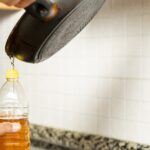
As for used cooking oils from filhoses, coscorões, sonhos or rabanadas, they should be directed to the oleões, where they can be valorized into products such as biodiesel or soap.
Beyond the food, the kitchen fills with packaging. Remember that the yellow recycling bin is the destination for plastic bags, plastic packaging, beverage cans, bottles, tins and take-away packaging made of aluminum or plastic. Plastic crockery cannot be recycled, so the best choice is to opt for reusable tableware – although the water and energy spent washing them has some environmental impact.
When it comes to treating or recycling waste, it is important to remember that grease-stained cardboard boxes, such as the bolo-rei box, and napkins do not go to the blue bin, but to the regular trash.
If, during the party, a glass breaks, its destination is not the green bin – in the green bin, place glass bottles, jars and glass containers if you cannot reuse them.
And cork stoppers? Don’t throw them away! DECO PROteste is collecting corks to help reforest areas affected by the fires in 2025: for every 50 corks delivered, a tree will be planted.