
Only one tenth of the edible oils produced in Portugal are properly collected and directed to appropriate disposal, with the majority ending up in the sewage system and negatively affecting the environment.
According to Prio, the greatest gap is in the domestic sector. In a press release, it states that during the festive season there is an increase in the consumption of edible oils, especially for the preparation of traditional sweets.
The company estimates that one liter of used edible oil can contaminate up to one million liters of water, which makes it essential to boost proper collection and recycling. Additionally, it says that one thousand liters of used oil can produce nearly 950 liters of biodiesel, which it describes as “a cleaner fuel that contributes to sustainable mobility”.
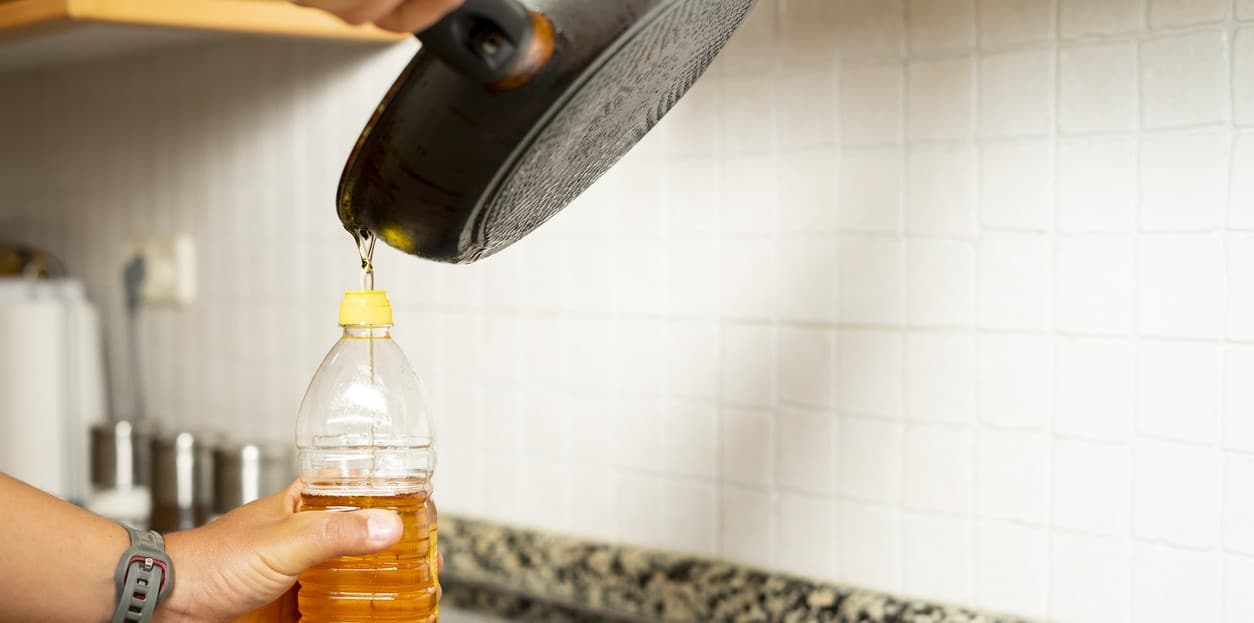
To recycle used edible oils, Prio recommends that after use the oil be allowed to cool and placed in a well-sealed plastic bottle, preferably reused. This bottle should then be delivered to an oil collection bin or another appropriate collection point, ensuring proper routing for valorization.
Claiming to have the largest national network of used edible oil collection points, with more than 1,380 oil collection bins from north to south of the country, the company argues that “it is essential to adopt responsible behaviours, such as recycling used edible oils” and reminds that “every gesture contributes to a more sustainable future”.