A team of scientists led by the Chinese Academy of Sciences has discovered, in Hunan Province, southern China, a series of fossils of marine animals that are believed to have survived the great mass extinction that devastated Earth’s animal biodiversity about 513 million years ago.
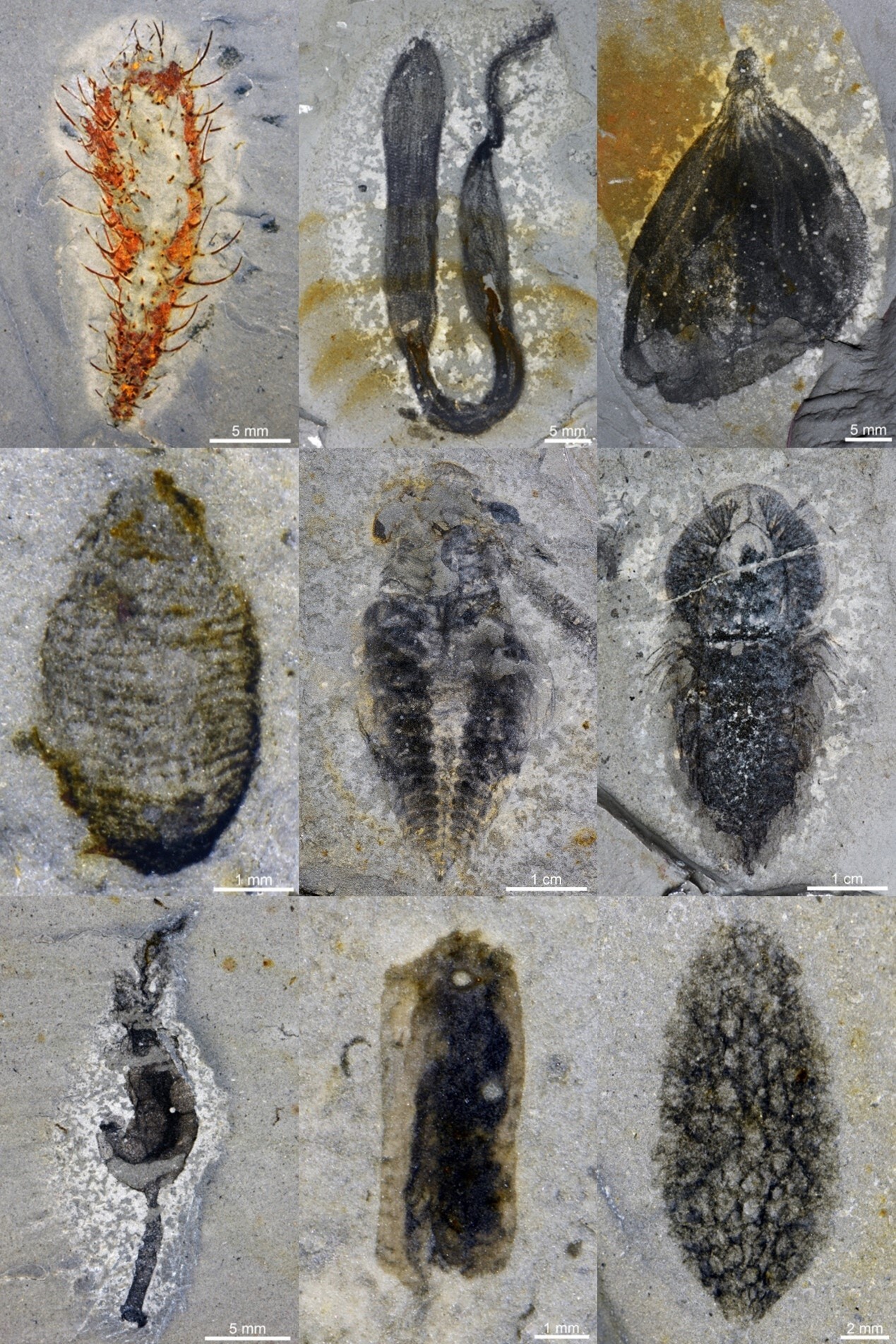
More than 50,000 specimens were collected at a single site, and 8,681 were formally classified. Of these, 153 animal species were documented, of which 91 are new to science, belonging to 16 major distinct groups. The fossils are about 512 million years old, thus dating to the period immediately after the extinction event and are remnants of those that survived.
About 540 million years ago, the history of life on Earth underwent a profound transformation, with the emergence of complex life forms, moving from a biosphere dominated by microorganisms to one teeming with animal life. This evolutionary leap is often called the “Cambrian explosion”.
However, this was short-lived, for a decade later one of the earliest and largest mass extinctions would strike this biodiversity. Scientists explain that during about 50 million years after this catastrophe, global biodiversity remained relatively low.
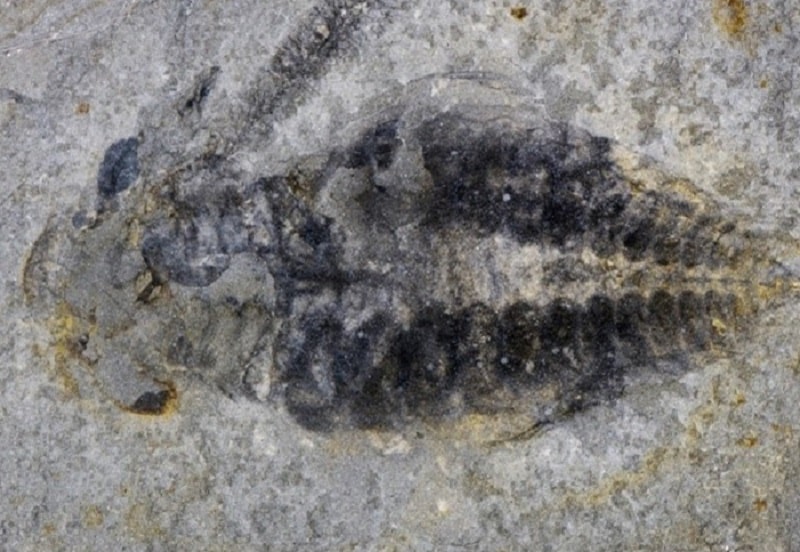
Still, the fossils collected reveal a great variety and abundance of marine creatures, well-preserved invertebrates — legs, gills, digestive system, eyes and even nerves — that suggest that, even after the extinction event, there existed a deep-water faunal community with a complex food web.
The researchers, who published the findings in a paper this week in the journal Nature, say that these fossils provide fundamental insights into life after what was one of the earliest major catastrophes that severely reduced Earth’s biodiversity.
The animals found in the fossil record lived in deep waters at the margins of the South China continental shelf, belonging mainly to the arthropod group, which includes modern arachnids, crabs and shrimp, of the cnidarians, which include jellyfish, corals and sea anemones, and sponges, which are considered among the oldest animals on the planet.
Although they are invertebrates, the fossils include members of a subdivision of animals considered the closest relatives of vertebrates, the tunicates.
Furthermore, among the fossils were identified top predators such as radiodonts, known for their long arm-like appendages used to grasp prey.