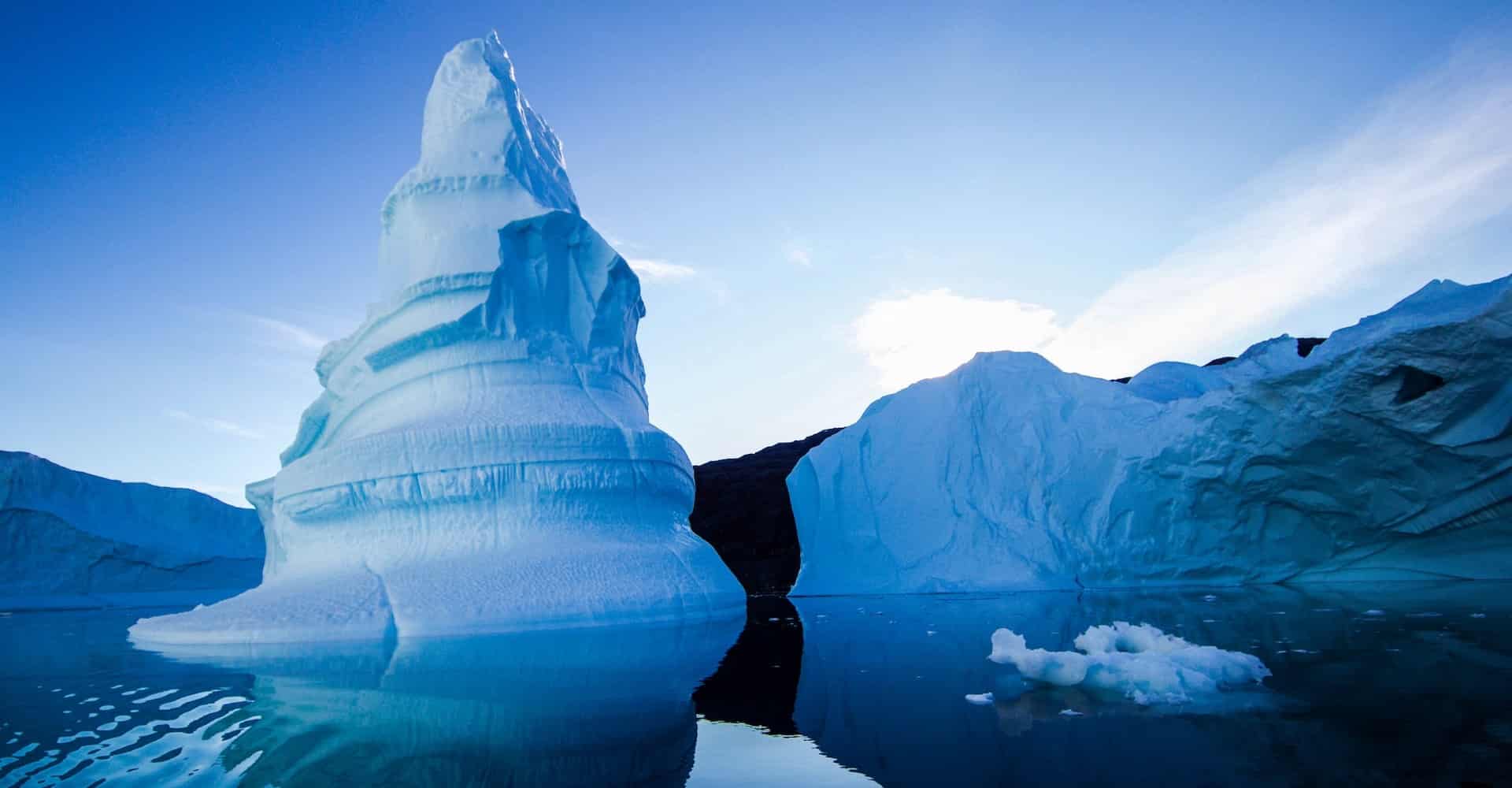
The Greenland ice sheet, the second largest in the world, has lost about 5,091 square kilometers of ice since 1985, according to a study published in the journal Nature.
Although this amount has had a relatively small impact on sea level rise, ice loss could have implications for ocean circulation and, consequently, the distribution of global thermal energy.
Glaciers worldwide have retreated in recent decades, with the Greenland ice sheet, in particular, recording a period of accelerated mass loss since the 1990s.
Climate models predict, with a high degree of confidence, that this ice loss in Greenland will continue, but research into how the ice sheet retreated in the past may offer insight into its future behavior.
Chad Greene and his colleagues used satellite imagery to establish 236,328 positions of glacier termini from 1985 to 2022.
From there, the authors quantified the extent of calving—the process of ice break-up at the end of a glacier—and the changes at the margins of the ice sheet, and consequently, the total area of ice lost.
The authors found that the Greenland ice sheet had lost about 5,091 square kilometers of ice over the last four decades. This area equates to about 1,034 gigatonnes (1,034 trillion kilograms) of ice. More specifically, the ice cover decreased by an average of 218 square kilometers per year since January 2000, according to the analysis.
The authors also note that this retreat does not appear to contribute substantially to sea level rise, but it may play a role in patterns of ocean circulation and in how thermal energy is distributed across the planet.
Greene and his coauthors also found that some of the Greenland ice sheet’s glaciers that recorded the largest difference between winter growth and summer retreat in a single year (including Jakobshavn Isbræ and Zachariæ Isstrøm) were also among the glaciers that retreated the most between 1985 and 2022. This indicates that the seasonal variability of glaciers may be a predictor of long-term retreat.