Greenpeace Portugal expresses solidarity with the people and communities affected by storm Kristin and stresses that the extension of the state of calamity until February 8 confirms that the on-the-ground response remains necessary, in a context of persistent risk, including flood risk.
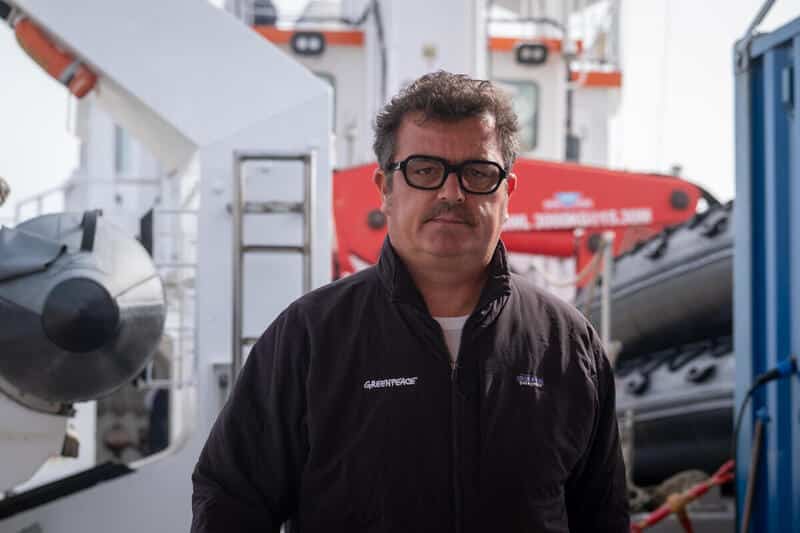
Toni Melajoki Roseiro states, in a statement, that “climate change is a global problem that encompasses an environmental, political, economic, and social perspective, in which the worst forecasts imply enormous losses,” and adds that, “as science, as well as Greenpeace, have long warned about these realities and the longer we take to act, the higher the investments will be for the country’s adaptation to extreme weather phenomena, and we may reach a point where such adaptation is no longer possible.”
The Director of Greenpeace Portugal emphasizes that the response to Kristin “has to be more than an emergency” and advocates “effective coordination and on-the-ground execution, serious prevention and climate action with real measures, to protect people, territory, and the economy.”
According to the note, this episode makes it clear that:
- The risk does not end when the wind and rain subside. The impact is prolonged and requires a coordinated response.
- In a country that is now poorer and more pressured, the bill is not limited to the immediate damages.
- The higher bill arrives later, in losses of livelihoods and production, in repair and material costs, in the need to import more when what was produced is lost, and, inevitably, in price pressures, with greater weight on those who have less margin.
What Greenpeace Portugal is asking to happen now:
- Effective coordination between state entities and instruments, with clear responsibilities and rapid on-the-ground execution.
- Adaptation with budget, swift timelines and implementation, especially in areas most vulnerable to floods and coastal impacts.
- Climate action with real measures to reduce emissions and lower exposure to risk.
- Preparation now for the summer, with rapid removal of fallen trees and forest debris, to reduce fuel available for fires and, where possible, enable responsible use before value is lost.