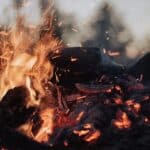

The environmentalist Vladimiro Russo today warned about the significant impact of recurring fires that “devastate annually” Angola’s wild flora and fauna, especially in conservation areas, advocating rules to safeguard biodiversity.
According to Vladimir Russo, the fires that occur across the country, especially at the end of the cacimbo (cold) season, have become recurring throughout the year and have a significant impact on wildlife and flora.
“These fires in the last three or four years have had a very large impact on infrastructure, also resulting in loss of human lives,” the environmentalist said today in statements to Lusa.
Angolan authorities have reported, in recent times, a wave of fires in forested areas, especially in conservation zones, as happened almost two weeks ago in Quiçama National Park, in the Angolan province of Icolo e Bengo, where one hundred hectares of vegetation were destroyed as a result of a fire that lasted more than 12 hours.
The national civil protection and firefighters corps concluded at the time that arson was the cause of the fire.
Today, the environmentalist lamented the fires occurring in environmental conservation zones, noting that in Quiçama National Park — one of the best known in Angola, near the capital Luanda — the phenomenon has lasted for years, impacting the survival of flora and fauna species.
“The fires that occur in Quiçama are recurrent, it’s not a new thing; for many years these fires have been occurring, some caused by humans for hunting purposes, and this has a very large impact. These fires, as they are carried out, devastate a large part of the flora and, also, the fauna,” he said, with the consequent impacts on wildlife.
Vladimir Russo pointed out that fires are currently used as a mechanism for hunting and for opening up agricultural soils, but he noted that “they have to be done in a regulated manner, based on climatic conditions, based on the creation of firebreaks [strips of land cleared of vegetation],” among other requirements “that most of the people who carry out these fires do not have.”
Therefore, he warned of the “significant impact on fauna and flora,” particularly in national parks and environmental conservation areas.
These areas “are the refuge for species that do not exist elsewhere or should be protected within these conservation areas,” concluded the Kissama Foundation executive director — an organization that works in the conservation of the Giant Sable antelope, an Angolan endemic.