
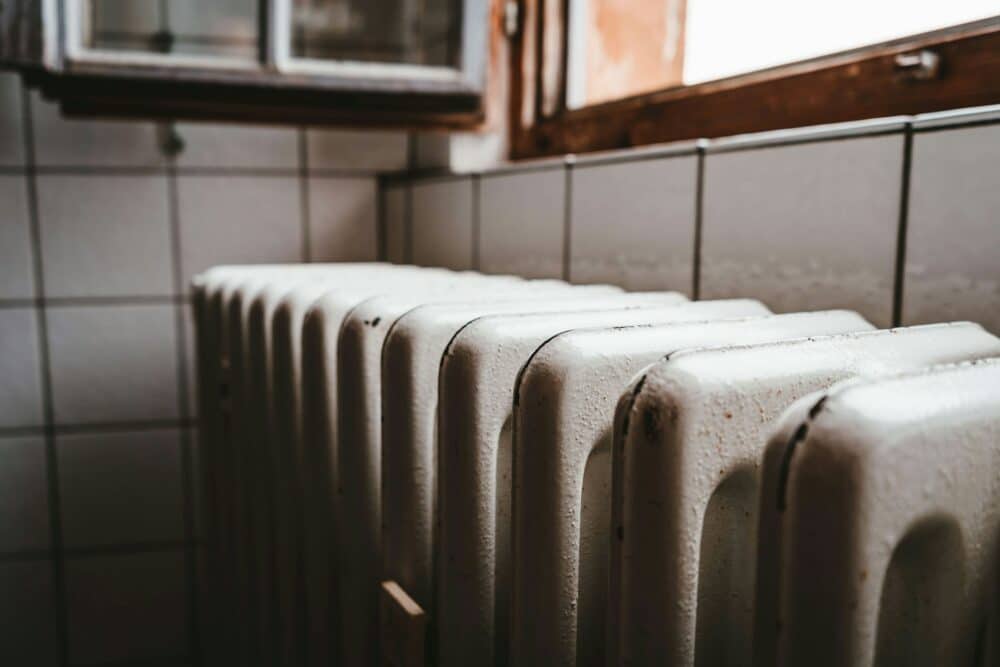
Sixty-seven percent of Portuguese people consider their home cold during the winter, while 52% rate the thermal comfort as poor, according to a survey conducted by Fixando.
The survey was conducted between December 15 and 18 among a total of 582 users of the service contracting platform and also revealed that concern about costs is evident. This is because 75% of respondents say they are very concerned about the money spent on heating, and 90% try to save on system usage due to the high price of electricity.
Among the most used solutions to heat the home, fireplaces (27%), followed by heaters (23%) and air conditioning (17%), with other systems such as fan heaters or underfloor heating completing the options. Nevertheless, 63% of respondents reported an increase in the electricity bill in 2025.
Government energy efficiency programs remain little explored, says Fixando, since only half recognise their existence and 69% have never considered turning to them. In addition to discomfort, 52% believe that cold at home can worsen seasonal illnesses such as flu and colds.
According to Fixando data, demand for services related to energy efficiency and thermal comfort – such as solar panels, heating systems, insulation and windows – rose by 4% between January and December 2025, compared with the same period in 2024. In 2024, this growth had been 16%, the platform states in a press release.
“With the arrival of the most critical phase of winter and energy costs high, Portuguese people are increasingly seeking solutions to improve the thermal comfort of their homes,” says Alice Nunes, Director of New Business at Fixando, in a note.
Geographically, the districts of Porto, Braga, Aveiro, Viana do Castelo and Vila Real account for 32% of requests, while Lisbon and Setúbal concentrate 35%. The price of heating system installations starts at 298 euros.