On April 21, 2025, a 40-year-old tourist died after being attacked by a shark in the waters off Hadera, about 50 kilometers north of Tel Aviv, in Israel.
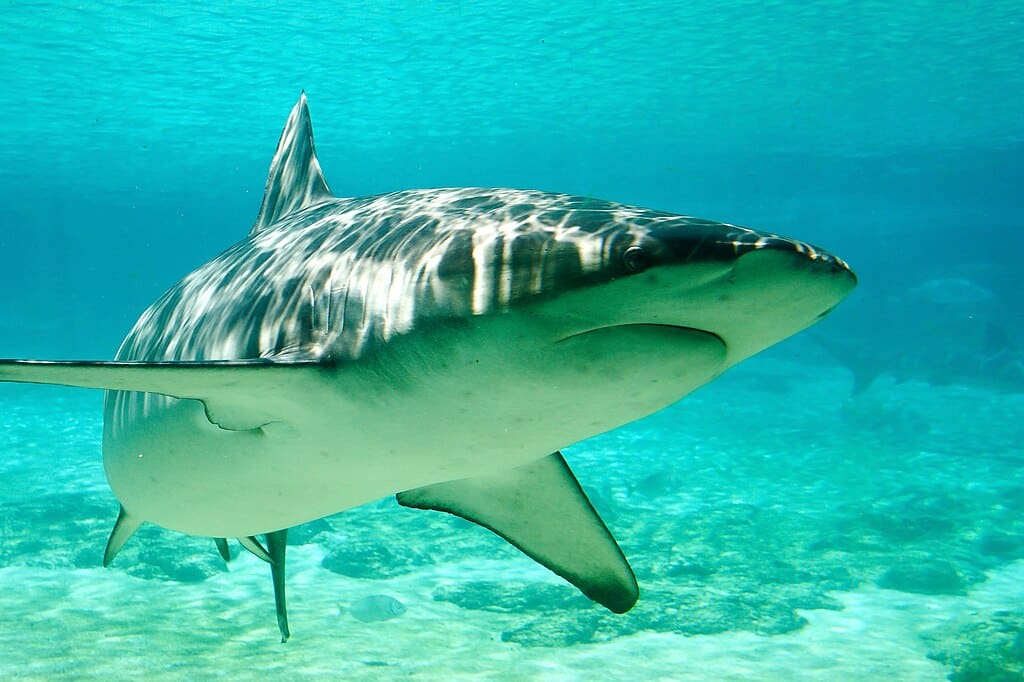
After analyzing footage of the incident — captured by other visitors who were in the area — a pair of scientists, in an article published in the journal ‘Ethology’, say that the attack involved two dusky sharks (Carcharhinus obscurus). Until this case, there had been no confirmed records of the species’ involvement in a fatal attack on a human.
Sharks tend to congregate in Hadera in waters warmed by the Orot Rabin power plant and attracted by food that bathers and tourists throw to them. The researchers say that this causes the sharks to become less wary of humans and to approach people more and more in the hope that they will be fed.
The April victim was snorkeling more than 100 kilometers from Hadera’s beach and was using a GoPro camera. The study authors suggest that the device emitted an electromagnetic frequency that was picked up by the sharks, which mistook the human for prey.
Although the first bite may have been a way to test what prey they were dealing with, the sharks ended up injuring the man and the blood in the water attracted other sharks to a predatory frenzy.
Kristian Parton, from the University of Exeter and coauthor of the article, explains in a press release that “artificial feeding [of sharks], when regulated and monitored by authorities, can have great benefits for ecotourism and local economies, as well as to improve the public’s opinion of sharks.”
“Unfortunately, in Hadera things were not done the right way,” says the researcher. To make shark-watching tourism safer, Parton argues, the authorities must completely ban people from freely feeding the sharks, without control or specialized supervision.
“The worst solution would be to indiscriminately slaughter all sharks present in this area in the form of a kill, especially because this specific incident is entirely the humans’ fault,” he concludes.