China criticized the coming into force of the European Union’s (EU) new mechanism designed to curb the importation of polluting products, calling it discriminatory and unjust, and promised the “necessary measures” in response.
Starting on January 1, the Carbon Border Adjustment Mechanism (CBAM) is set to levy a charge equivalent to carbon emissions on imports of products deemed polluting.
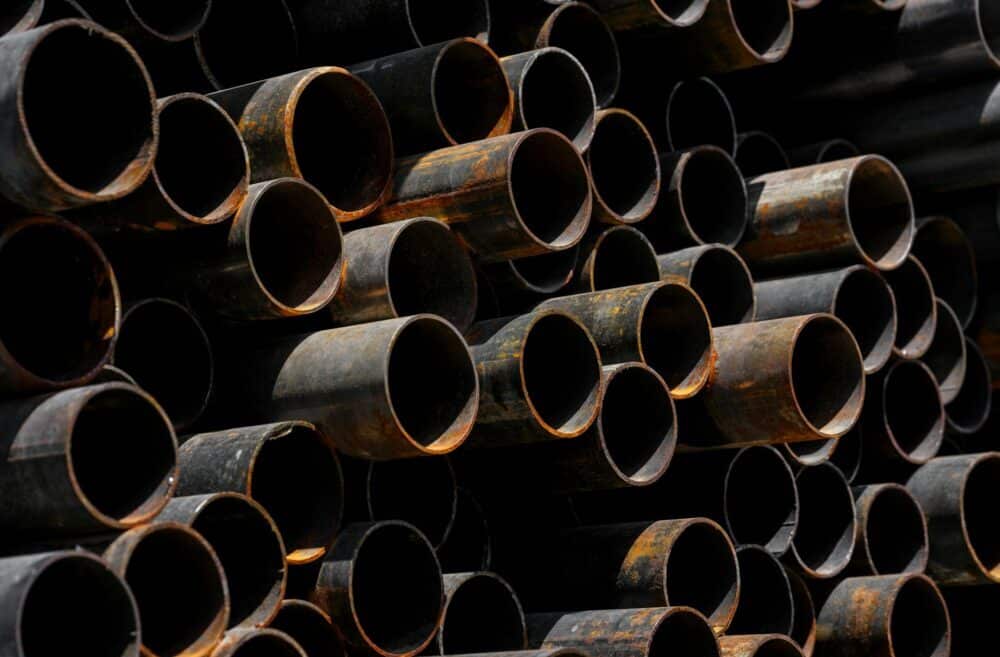
The measure will affect importers of certain products with high carbon emissions, such as steel, iron, cement, aluminum, fertilizers, hydrogen, and electricity.
Following a transition period launched in 2023, during which emissions declarations were requested, the system will require the purchase and delivery of CBAM certificates, the price of which will be linked to the EU Emission Trading System.
Brussels argued that the measure is aimed at preventing poorer countries from being flooded by polluting industries, as well as ensuring fair competition between European producers and those outside the EU.
But China accused Brussels of ignoring China’s “enormous achievements” in green and low-carbon development, by setting reference values that are “significantly high” for the carbon intensity of Chinese products.
“This is not in line with China’s current level or its future development trends and constitutes an unfair and discriminatory treatment toward China,” said the Chinese Ministry of Commerce.
In a statement, a spokesman for the ministry argued that the mechanism violates the principles of the World Trade Organization and the United Nations Framework Convention on Climate Change.
In a statement, the ministry accused the bloc of “ignoring historical responsibility for emissions, developmental stages, and technological levels.”
Under the pretext of “preventing carbon leakage,” the EU is promoting “a new form of trade protectionism, imposing its own carbon standards on developing countries,” lamented China.
The spokesman urged the EU to “respect” international rules, “abandon unilateralism and protectionism,” keep markets open and promote “the liberalization and facilitation of trade and investment” in the green sector.
“China is willing to move in the same direction as Europe and to cooperate to meet the global challenges of climate change,” stressed the ministry.
However, Beijing “will firmly take all necessary measures to counter any unjust trade restrictions and safeguard its development interests,” concluded the spokesman.